Corrosion Monitoring Moves to the Front Line of Pipeline Integrity Management
From "one coupon per station" to a distributed network
The old approach—a corrosion coupon pulled and weighed at every major shutdown—gave operators a single averaged data point per location, often years apart. Today's programs treat corrosion monitoring like a sensor network: coupons for weight-loss baselines, ER probes for real-time rate tracking, and hydrogen probes where sour-service risk exists. The result is an early-warning picture that turns "we found it at the next turnaround" into "we saw the rate climb last month."
Why now: tighter margins, stricter scrutiny
Three pressures are driving the shift. First, aging assets mean corrosion-related leaks now carry both higher environmental penalties and higher reputational cost. Second, the push for risk-based integrity management (RBIM) rewards operators who can prove, with data, where metal loss is actually occurring. Third, digital SCADA and remote telemetry make it cheap to stream probe readings to a control room instead of waiting for a field visit.
Corrosion monitoring does not replace pigging—it completes it
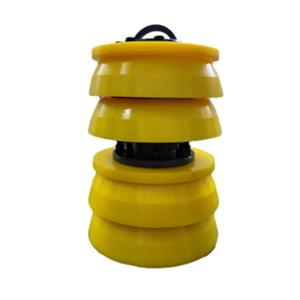
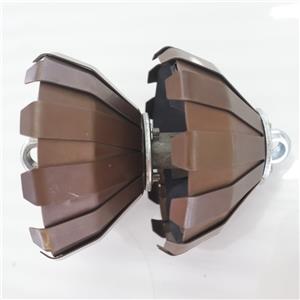
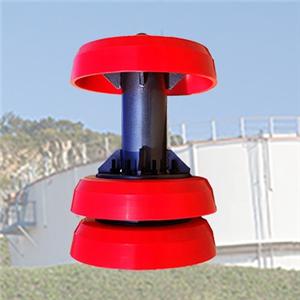
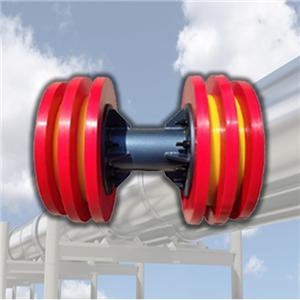
A common misconception is that monitoring competes with cleaning. In practice they are partners. Mechanical pigging removes deposits, wax, and water wet spots that would otherwise shelter corrosive cells; corrosion coupons and probes then measure what the pigging program leaves behind. A clean, well-pigged line gives coupons a stable baseline, while probe trends tell the pigging team when it is time to run the next cleaning pass. Together they close the loop between "what we removed" and "what is still attacking the wall."
Practical takeaways for asset teams
Place coupons and probes at the same spools so weight-loss and real-time data validate each other.
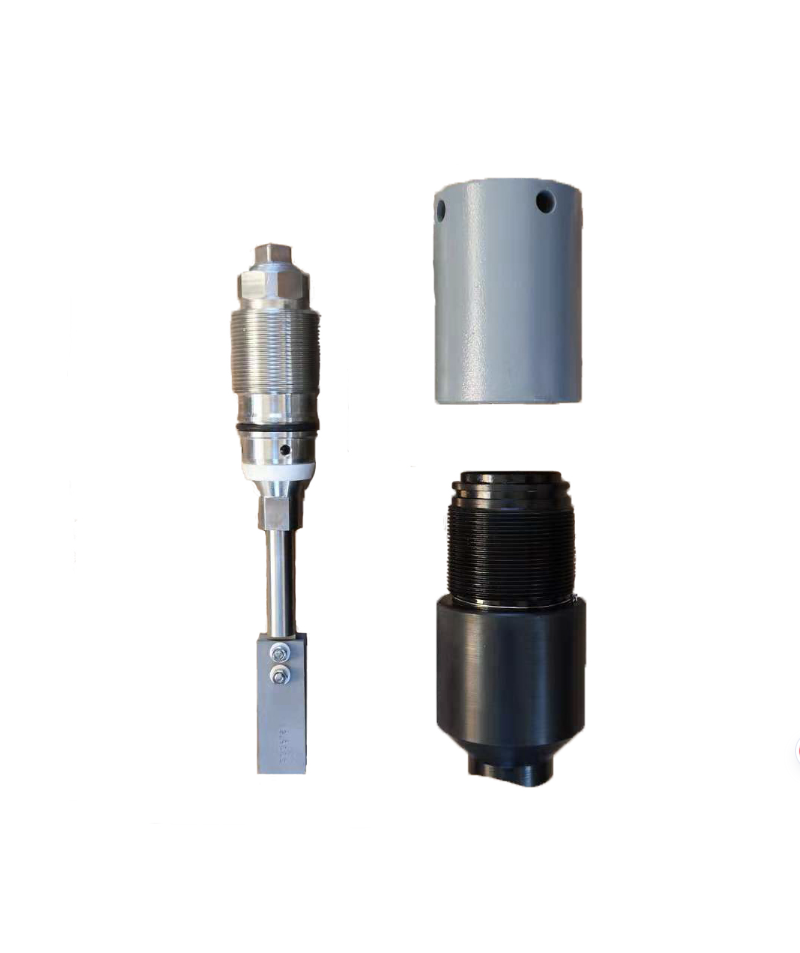
Standardize the NPT/flange interface so probes can be pulled under pressure without a shutdown—protecting uptime while protecting the asset.
Pair every cleaning campaign with a coupon read to confirm the pigging program is actually reducing under-deposit corrosion.
Feed probe rates into the pigging schedule so frequency is set by corrosion risk, not by the calendar.